
Oil marketing companies IOC, BPCL and HPCL have invited expressions of interest from start-ups that wish to be enrolled as fuel entrepreneurs for doorstep delivery of high-speed diesel through mobile petrol pumps.
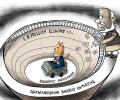
Mumbai traffic, mobile internet speeds, and grocery and pharmacy visits are all showing lower numbers for the latest week.
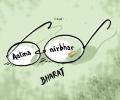
India's shift towards US companies for technology investments and partnerships fits well with the present government's 'Atmanirbhar Bharat' and 'Make in India' initiatives, say experts.
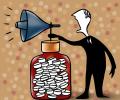
There are several discussions going around in the e-health sector for consolidation with key players being PharmEasy, 1mg, Medlife and Netmeds. According to reports, Reliance Jio is in talks with Netmeds to acquire the latter.

From scanning hospital entrants to disinfecting hospital areas and floors, robots are being roped in for tasks considered high-risk, says Peerzada Abrar.

Iran's growing proximity to China may have also played a part.

Under the plan, there will be 151 private trains covering 109 routes which may entail investments worth Rs 30,000 crore.
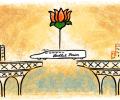
Apart from land acquisition, another major cause for concern before the project is cost escalation owing to a fall in the rupee against the Japanese yen.
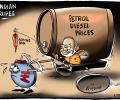
Despite a massive decline in crude oil prices since 2012 -- Modi has been prime minister in six of these eight years -- petrol in Delhi has become 10 per cent costlier and diesel 97 per cent, as of July 2.
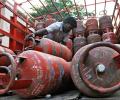
Given that the target was to reach 80.34 million families under PMUY - within three months starting April 1 - the government should have distributed at least 241.02 million cylinders by the end of June. It actually ended up distributing only 119.7 million cylinders.
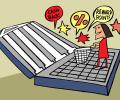
The development comes amid a growing clamour for the boycott of Chinese products in India, combined with the government's push for Aatmanirbhar Bharat.
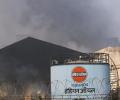
These mega projects, worth about Rs 1 trillion, would boost the economy, ensure smooth supply of petroleum products across the nation and also provide the much-needed relief to people looking to get back to work after the lockdown.

Students may choose between weekday and weekend batches, and attend scheduled online maths and science classes based on their school curriculum.
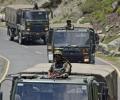
Looking into the current situation on the China boarder, IOC has stocked up enough winter-grade fuel for the region. With army movements increasing, the demand for this fuel is expected to increase multifold from the 350 metric tonnes last winter.

According to experts, the banning of the apps has created negative sentiments and reduced the confidence among the Chinese investors to invest in India.

The banned Chinese apps, which include TikTok, Shareit and UC Browser, earn revenue mainly from online advertisements, subscriptions, and commissions for selling products. India is the biggest driver of these Chinese apps due to the population. The ban on the 59 Chinese apps will negatively affect the valuations of the companies, especially those going for IPO.
According to experts, this will have major impact on new investments by Chinese players in companies, such as Paytm, Ola, BigBasket, Byju's, Dream11, MakeMyTrip, and Swiggy, when they go for follow-up funding. Chinese investors, such as Alibaba, Tencent, and Xiaomi, are active in the Indian start-up space, and have collectively invested billions of dollars.
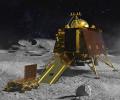
While participation of start-ups in the space sector has largely been minimal so far, their involvement will be key towards building India's very own aerospace companies such as Maxar, Elon Musk's SpaceX and Rocket Labs, according to experts.
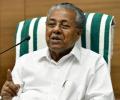
The Kerala chief minister's four years in office may well be remembered for the way he handled Cyclone Ockhi, two floods, Nipah, and now COVID-19, reports Shine Jacob.

A company official said work stopped temporarily only at two rigs and the remaining 34 in the offshore were operational. He added there was no impact on the company's production.
 © 2026 Rediff.com - Advertise with us - Disclaimer - Privacy Policy - Sitemap - Feedback - About us - Terms of use - Grievances